

The Spatial Knowledge and Artificial Intelligence (SKAI) Lab at the University of Maine conducts research in spatial informatics and knowledge representation.
Led by Torsten Hahmann, the lab develops ontologies, knowledge graphs, and automated reasoning methods to represent, integrate, and explore knowledge from diverse sources. Its work spans spatial representation and reasoning, ontology engineering, knowledge discovery from scientific literature, and environmental data integration.
Research Projects and Resources
-
SAWGraph: An open knowledge network connecting data about PFAS and other contaminants in food, water, and the environment.
-
Digital Forest Knowledge Graph: A geospatial knowledge graph connecting forest inventories, tree species information, and environmental data to support forest research and management.
-
CelloGraph: A cellulose informatics system combining knowledge extraction, ontologies, and expert review to support cellulosic materials discovery and research.
-
Macleod: An ontology development environment supporting modular and parallel verification of first-order ontologies expressed in Common Logic.
Selected Ontologies
-
SAWGraph ontologies: ContaminOSO, the Facilities and Industries Ontology (FIO), the SAWGraph Spatial and Water Ontologies, and the DSSTox Ontology connect contamination observations with environmental and geographic context.
-
Spatial and Temporal Aggregate Data (STAD): An ontology design pattern for statistically aggregated data summarized over areas, time periods, or both.
-
CelloGraph Ontology and OnNER: Ontologies for cellulosic materials and for representing named entities, their labels, and their context within scientific publications.
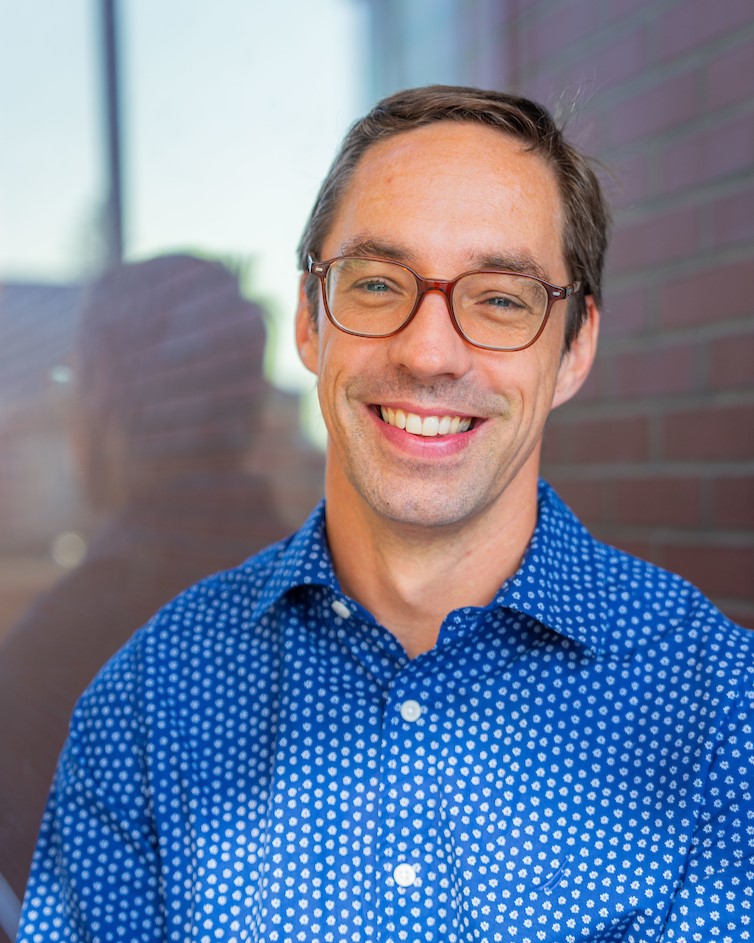
Torsten Hahmann, Ph.D.
Lab Director
Associate Professor of Spatial Computing
Associate Director, School of Computing & Information Science
Spatial Data Science Institute
University of Maine